

Anti-Spark Tubing
SHPI understands its clients needs
What Is Flame Retardant Tubing?
Flame retardant tubing is pneumatic tubing used in industrial compressed air systems. The material is designed to reduce flame spread when exposed to sparks or heat sources.
In industrial environments such as welding, metal processing, or areas where sparks may occur, flame retardant tubing is used as a protective configuration in compressed air piping to reduce the risk of heat exposure or ignition.
In SHPI product naming, this type of tubing is referred to as Anti-Spark Tubing.
Material Characteristics of Flame Retardant Tubing
The materials used in flame retardant tubing provide flame retardant characteristics. While maintaining the basic flexibility and handling characteristics required for pneumatic tubing, they help reduce flame spread when exposed to sparks.
Typical Applications of Flame Retardant Tubing
- Welding areas in automotive manufacturing lines
- Areas surrounding metal processing and welding equipment
- Pneumatic piping located near high-temperature operating areas in automated equipment
- Industrial compressed air systems where spark exposure may occur
Further Reading
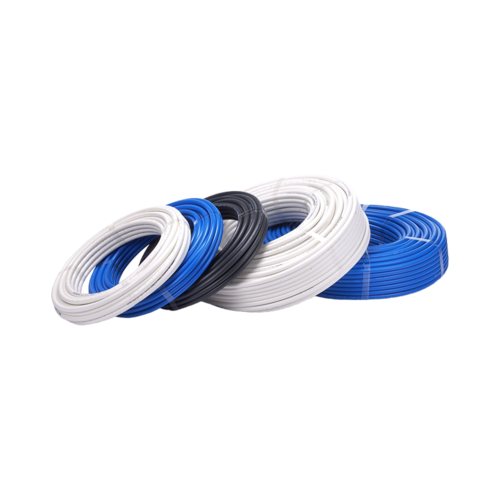
Anti-Spark Tubing
※ Click the product image to view more specs and technical details.
ㆍDual-layer construction: PU inner tubing combined with an outer flame-retardant layer
ㆍOuter layer material classified to UL 94 V-0 flammability rating with self-extinguishing characteristics
ㆍStructural design intended for tubing surface protection in environments involving welding sparks, spatter, and similar operations
ㆍPU tubing maintains the flexibility and dynamic bending stability required for pneumatic routing
ㆍDual-layer construction: PU inner tubing combined with an outer flame-retardant layer
ㆍOuter layer material classified to UL 94 V-0 flammability rating with self-extinguishing characteristics
ㆍStructural design intended for tubing surface protection in environments involving welding sparks, spatter, and similar operations
ㆍPU tubing maintains the flexibility and dynamic bending stability required for pneumatic routing